Our Impact
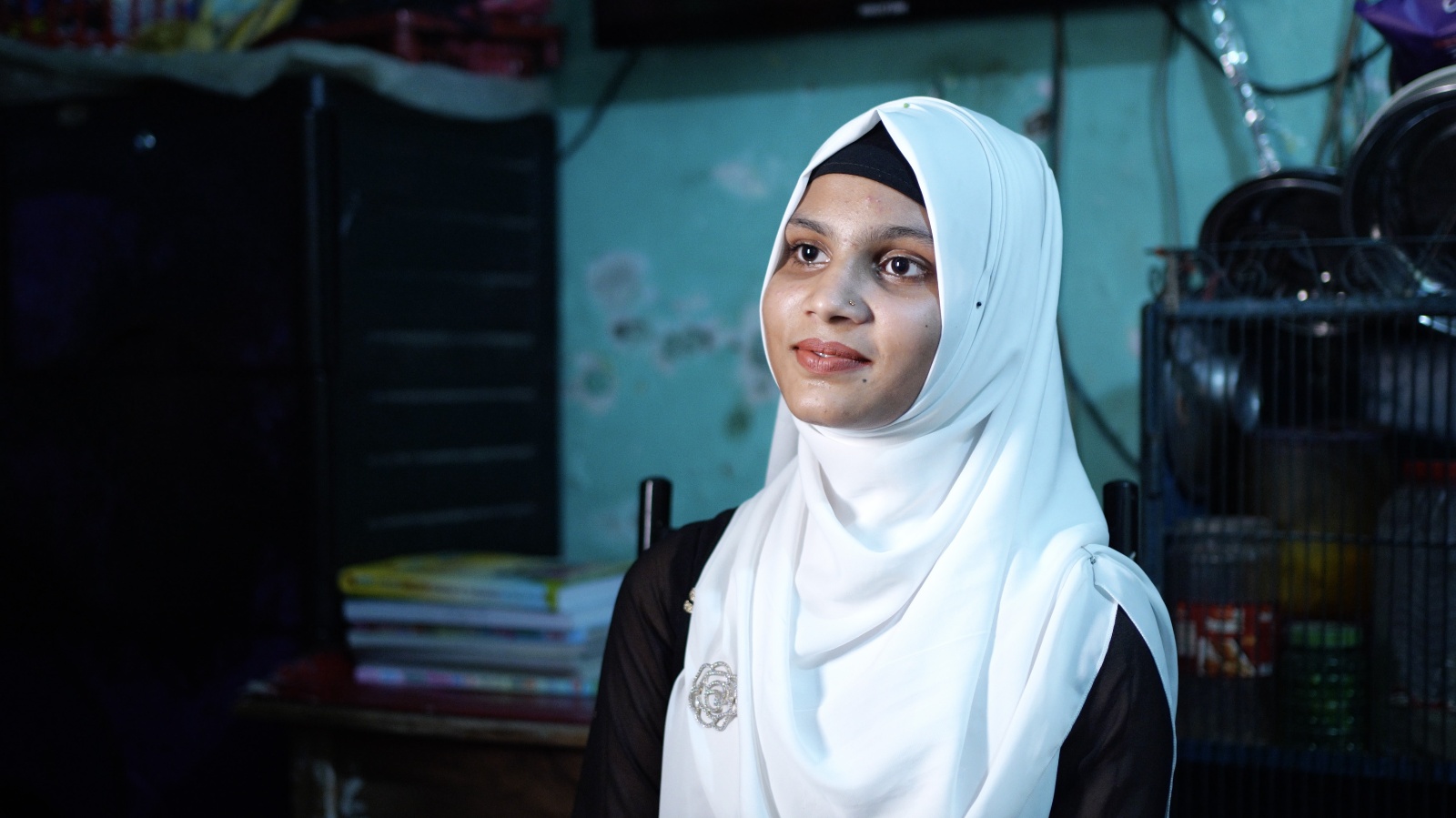
Photo: Mahila at home
On Day 2 of our countdown to World Children’s Day on November 20, we share the second of five stories about people whose lives have been positively impacted by business investment in child rights across supply chains. Meet Mahila, a young girl in Bangladesh who has been able to leave hazardous work and return to her studies with support from the Bangladesh Child Rights Action Hub.

“I used to feel very sad when I had to leave school to go to work because it meant I couldn't continue my studies."

For Mahila*, leaving school to take up work was not a choice she wanted to make. She found herself working as a helper, lifting and moving goods, often for long hours. The work took a toll on her, both physically and emotionally.
“It made my body feel tired, and my mind felt heavy too," she recalls.
Today, her circumstances have changed. Through the Child Rights Remediation (CLR) programme of the Bangladesh Child Rights Action Hub, Mahila was identified and supported to leave hazardous work and return to education.
“With this support, I've been able to start my studies again, and the burden on my family has also lessened."
For Mahila, the opportunity means more than simply going back to school. It has given her the chance to think about her future again. Her ambition is clear:
“My dream is to finish my studies and become an engineer."
She is also keen to see other children have the same opportunities, rather than entering risky work at a young age.
“It would be better for us if factories didn't put people our age into risky jobs," she says.
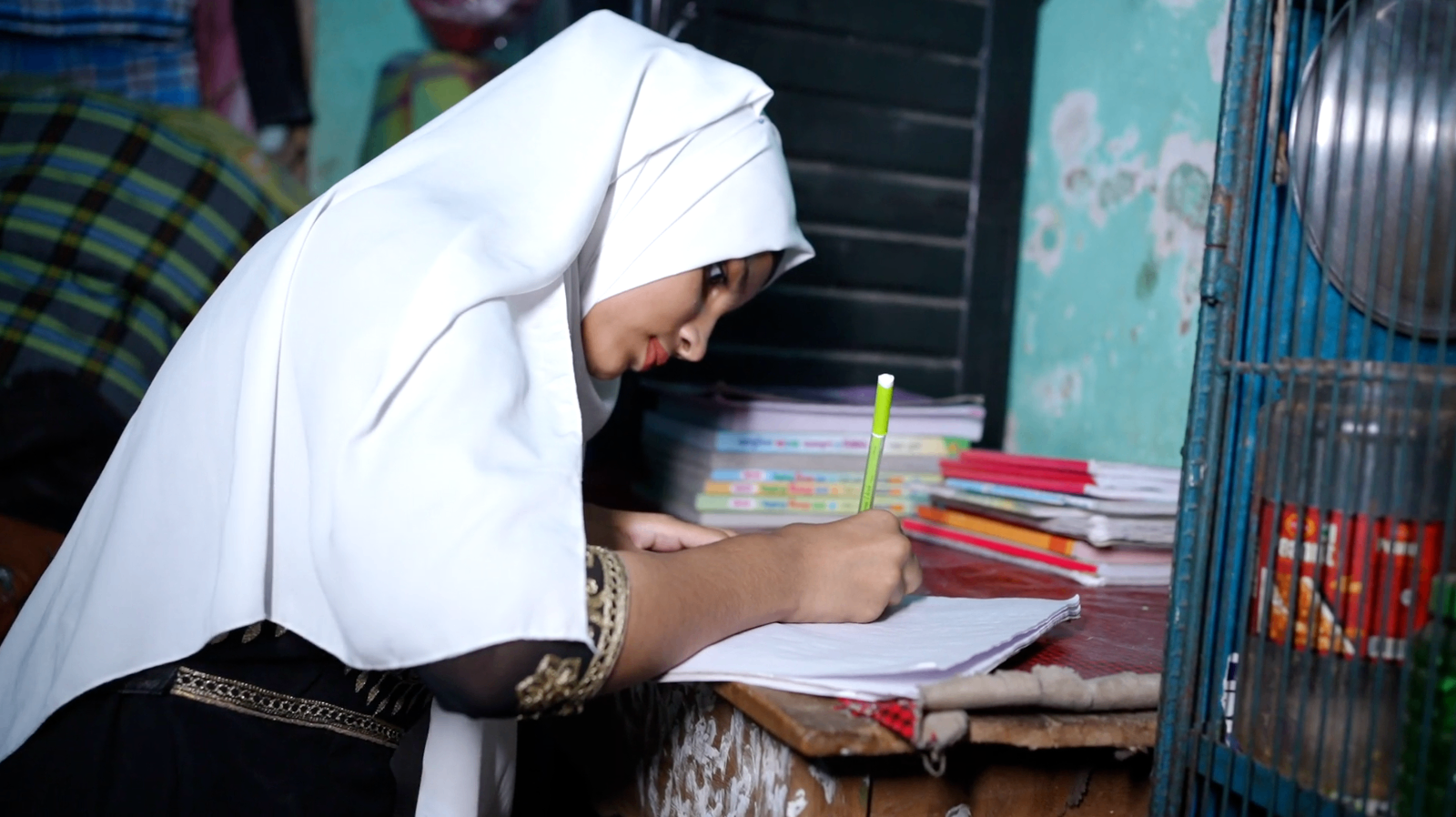
Photo: Mahila studying at home
Making remediation work for children and businesses
Mahila is one of 91 children currently supported through the Child Rights Action Hub Bangladesh's child labour remediation programme. Her experience highlights why identifying child labour is only the starting point. Effective child labour remediation must address the circumstances that led a child into work in the first place, while providing practical, sustained support to help them return to education and build a safer future.
The Action Hub brings businesses and local partners together to tackle child labour risks across high-risk supply chains, and provides a way for companies to contribute to solutions that reach beyond their immediate suppliers and address risks further down the supply chain.
The scale of collaboration is growing:
13 brands and partners support the Child Rights Action Hub in Bangladesh, either through direct financial investment or by nominating suppliers to participate.
157 lower-tier suppliers have strengthened their capacity to prevent and address child labour across three high-risk hotspots.
28 Tier 1 and nominated Tier 2 factories are improving their HRDD and responsible supply chain management practices.
35 child rights focal points have been trained and are actively identifying at-risk children in their communities.
What a second chance can mean
Mahila knows that her journey is not over. She will continue receiving programme support until September 2028, giving her and her family greater security as she works towards completing her education.
“I'm very happy to have this support because it has allowed me to start my studies again," she says. "My family is also very happy about this support."
And when asked what she would tell other children her age, her message is simple:
“If they focus on finishing their studies instead of going to work, they can achieve something even better."
Watch the full video: Meet five children whose lives have been positively impacted by the Child Rights Action Hub's remediation programme in Bangladesh.
*Mahila is a pseudonym.
Visit our official YouTube channel for more videos.
2026/11/03
The Centre Partners with Innovation Forum’s Responsible Sourcing and Ethical Trade Forum 20272026/10/29
Webinar: Best Practice Sharing on Child Labour Prevention in Vietnam’s Pepper Supply Chain
By using this website, you agree to our use of cookies. We use cookies to provide you with a great experience and to help our website run effectively.





