Resources
How can businesses demonstrate meaningful progress on human rights due diligence (HRDD)? A clean audit record or polished sustainability report may suggest compliance, but neither necessarily reflects what is happening across supply chains or whether people’s rights are better protected.
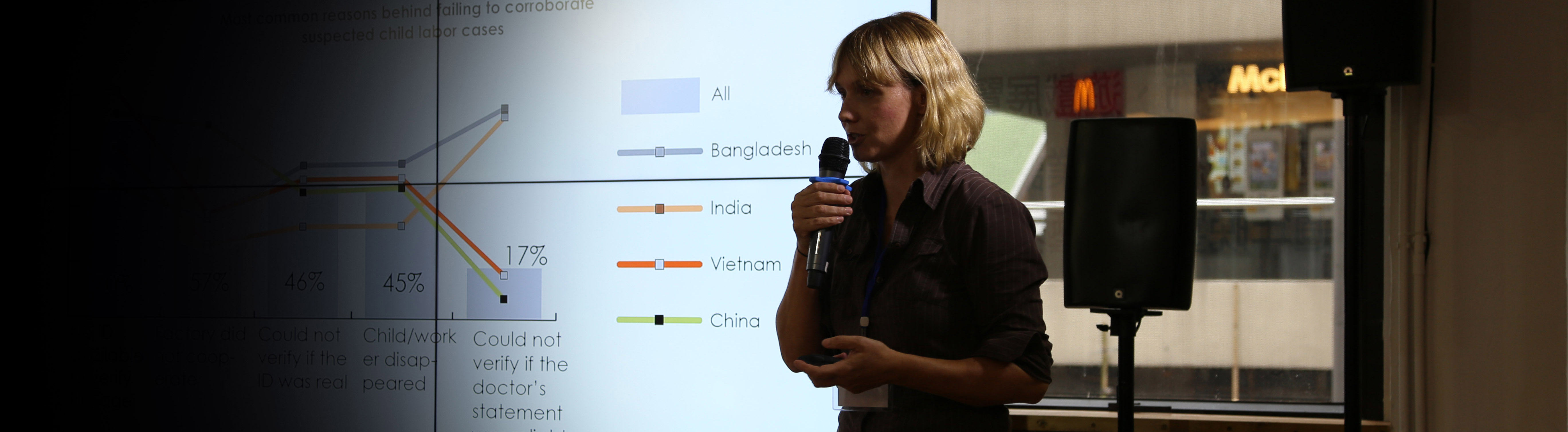
In its new discussion paper, No More Paper Tigers: Making the Ability to Identify Risks and Disclose Them Transparently the First Test of Sustainability, The Centre for Child Rights and Business builds on discussions at its September 10, 2026 ReThink HK workshop, which brought together 27 sustainability and social compliance practitioners to examine what meaningful HRDD looks like.
Drawing on two recent research projects, the paper highlights a persistent gap between corporate commitments and evidence of impact. A review of 1,399 sustainability reports across nine emerging Asian markets found that reporting on impact was often 50-80% lower than reporting on intentions. Meanwhile, The Centre’s forthcoming global study of social compliance auditors found that one in three auditors had encountered child labour and/or forced labour cases, but only two-thirds of those could confirm them.
The paper argues that sustainability reporting and social auditing need to shift their focus from demonstrating compliance to showing how effectively businesses identify, disclose and address risks. It puts forward several key messages:
Reward transparency, not a clean record. Businesses should be encouraged to identify and disclose risks honestly, rather than rewarded for reporting few or no problems.
Assess risk identification as a core compliance requirement. Credible reporting and audits should explain what was assessed, which risks were found, where information remains incomplete and what limitations exist.
Measure progress through evidence of change. Reporting should move beyond counting audits, training sessions and policies to demonstrate how findings inform decisions, supplier engagement and remediation, and what has changed for affected people.
Make disclosure commercially safer. Buyers should establish clear responses to supplier findings, distinguishing early disclosure and credible remediation from concealment or persistent failure to act. Suppliers should not be commercially penalised simply for raising problems.
The paper also proposes a practical way forward: testing these principles through a focused pilot that connects risk identification, transparent reporting, management decisions and remediation outcomes.
Ultimately, meaningful HRDD is not about proving that problems do not exist. It is about demonstrating that businesses can identify risks, disclose them honestly and take effective action to address them, with measurable improvements for children, workers and communities.
Read/download the white paper


2026/11/03
The Centre Partners with Innovation Forum’s Responsible Sourcing and Ethical Trade Forum 20272026/10/29
Webinar: Best Practice Sharing on Child Labour Prevention in Vietnam’s Pepper Supply Chain
By using this website, you agree to our use of cookies. We use cookies to provide you with a great experience and to help our website run effectively.





