DRC
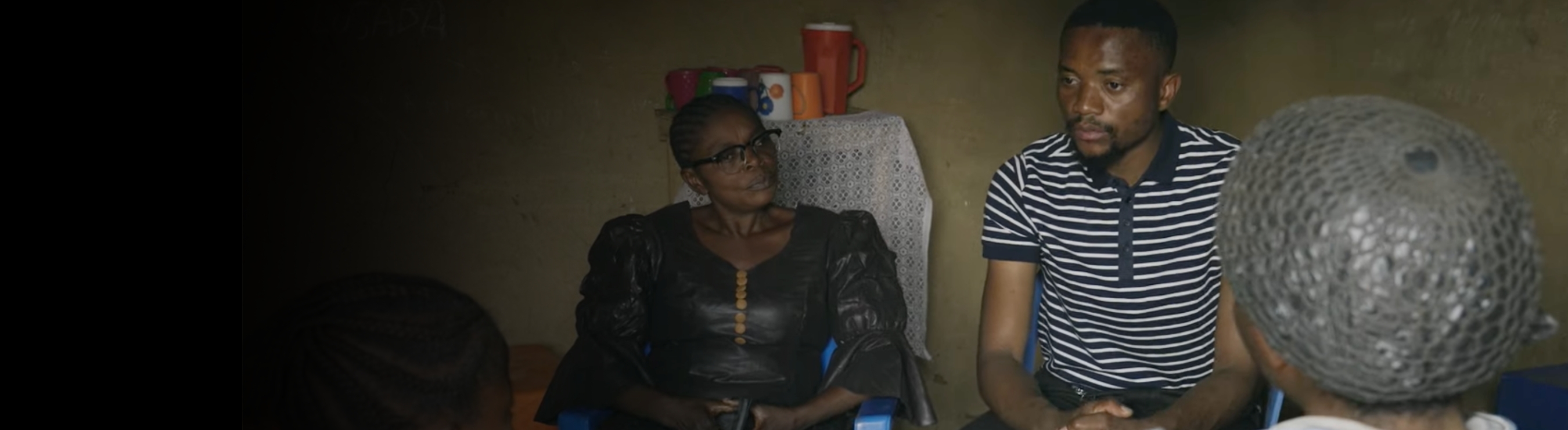
Child Labour Risks in Artisanal and Small-scale Mining
The DRC produces 70% of global cobalt, with 10-30% from artisanal and small-scale mining (ASM), where 150,000-250,000 people, including teenagers and children, work in over 40 artisanal cobalt mines. According to The Centre’s study, one in six children are working, and 44% of them in ASM to pay for schooling. Economic factors drive this, with 72% of working children aged 15-17 in ASM communities having no alternative employment. These children endure dangerous conditions harming their health and perpetuating poverty.
Given the complex supply chain, companies should acknowledge ASM cobalt's role in global battery supply chains. Through engaging with The Hub, companies mitigate child labour risks and contribute to an inclusive transition of the mining sector.
The Child Rights Action Hub DRC
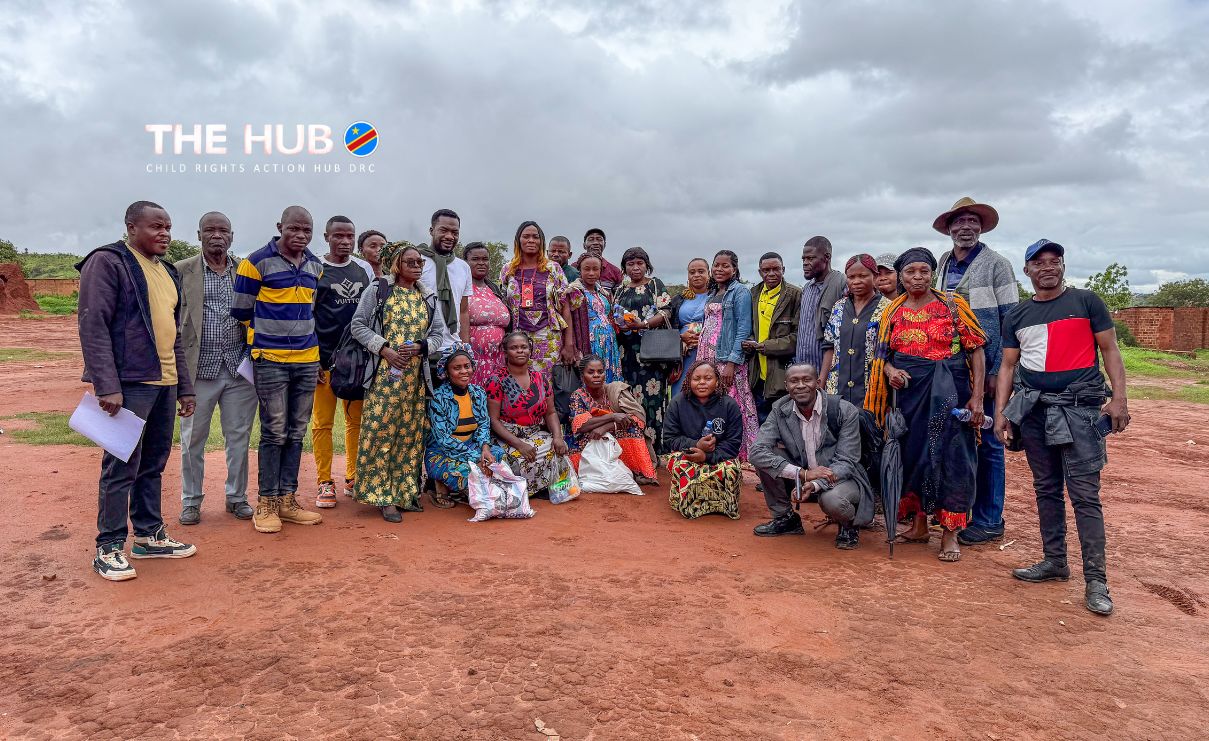
Addressing the need for a sustainable, immediate, yet long-term solution to child labour prevention and remediation, The Centre, with support from the Fair Cobalt Alliance (FCA) established the Child Rights Action Hub DRC in 2022. The Action Hub is set up as an association together with six local CSOs, to build a strong, local network of child rights practitioners in the Kolwezi area. It breaks the cycle of child labour by supporting the return of children to education, overseeing their development, and providing financial assistance until the child reaches working age. The Action Hub gives children and families a path towards a brighter future and ensures they do not return to the mines to work.
Local organisations that make up the Action Hub
Alternatives for Action (AFA)
Action pour le Développement Régional Intégré (ADERI)
Association des Femmes Pour Le Développement Communautaire (AFEDECO)
Humanitarian Emergency Rescue Action for People in Need (HERAPIN)
Institut Congolaise des Droits Humains (ICDH)
National Peasant League for Human Rights (LINAPEDHO)
The Action Hub's Programmes
Our programmes meet evolving due diligence expectations in a way that drives direct and positive change for children on the ground, and addresses the risk of child labour along the supply chain.
Research, mapping and risk assessments: We help companies understand child labour risks and supply chain linkages through human and child rights impact assessments, targeted research, and evidence-based analysis that informs effective action.
Increased accountability of supply chain actors: We support businesses to strengthen their child labour due diligence through policy and procedure development, practical training for global teams, and collaborative workshops that turn commitments into action across supply chains.
Capacity building for local partners and communities: We equip mining companies, ASM co-operatives, processing sites, security agencies, community focal points, and other local stakeholders with the knowledge, tools and guidance needed to prevent, identify and address child labour risks.
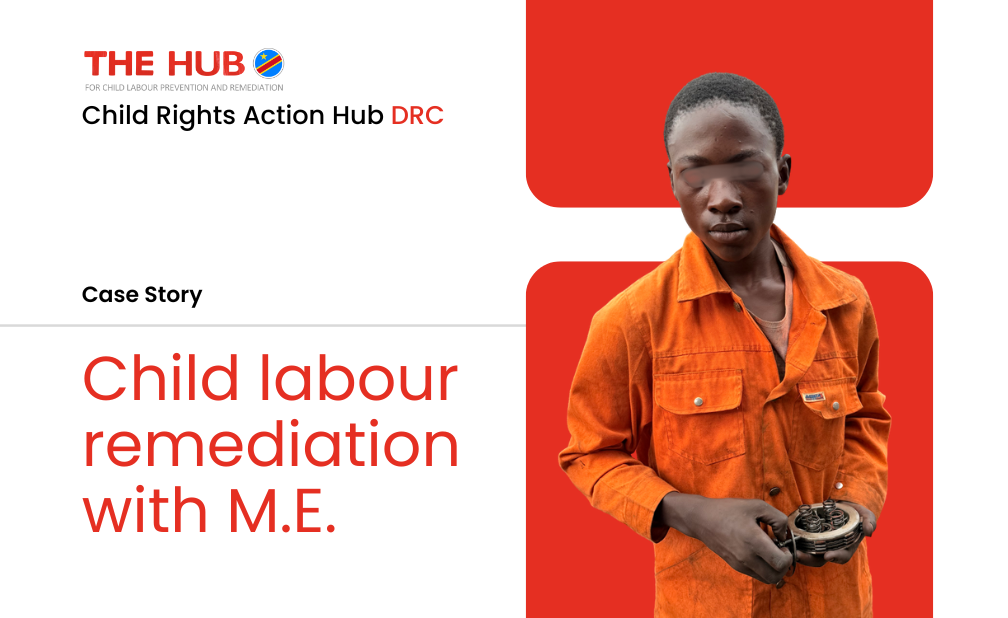
Child labour remediation and case management: We deliver both individualised and collective remediation approaches to address child labour. Through case management, family support, community-based interventions, the Emergency & Education Fund, and the Sibling Education Support Programme, we help children access education, protection, and long-term opportunities while strengthening family resilience.
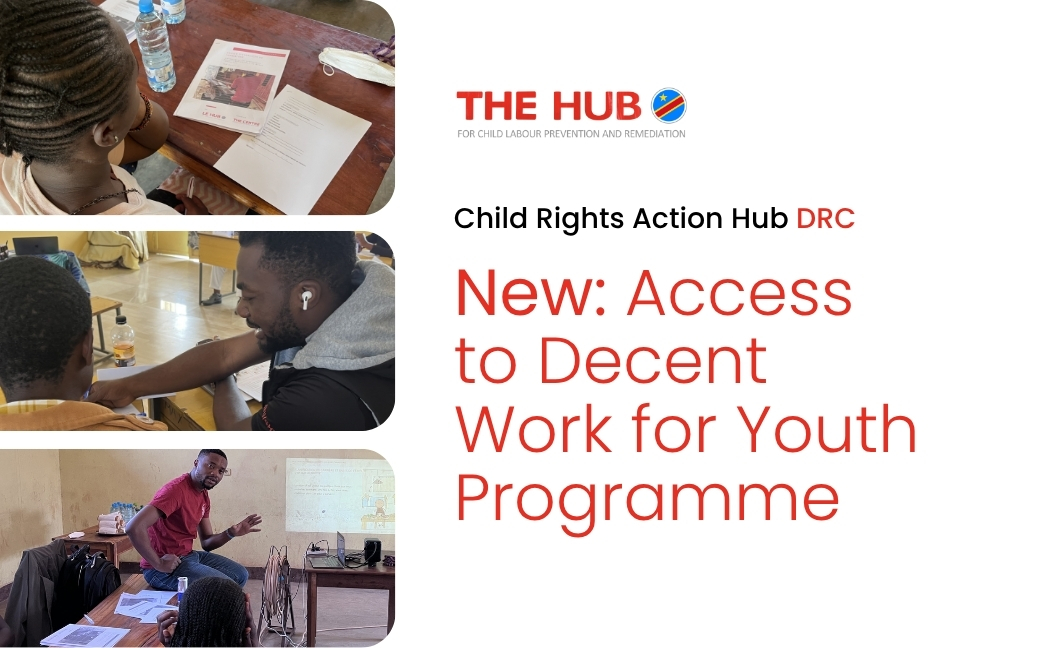
Increased opportunities for youth: We connect out-of-school youth with safe employment, apprenticeships, skills training and entrepreneurship opportunities. Through partnerships with businesses, local workshops and community initiatives, we help young people build pathways to decent work and sustainable livelihoods.
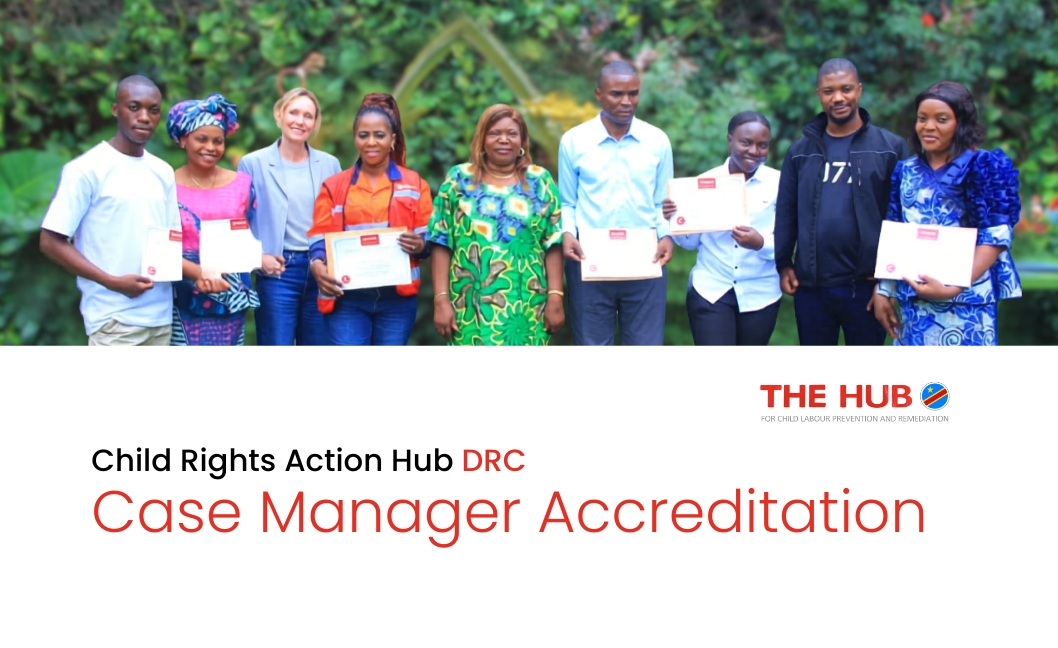
Hub Ecosystem Strengthening: We strengthen the local systems needed to sustain child labour prevention and remediation by building the capacity of frontline actors, aligning with government child protection mechanisms, fostering collaboration, and improving programme management and oversight.
How you can get Involved
Companies, foundations, governments, and other actors can support one, several or all of the Action Hub’s Programmes.
Contract the Action Hub directly linked to your specific needs, or become a member of the FCA, contributing to the programmes via a membership fee
Donate to a specific programme (e.g. Education and Emergency Fund)
Offer apprenticeship opportunities to young workers in your company or your business partner’s organisation
Make an in-kind contribution
Interested in the Action Hub’s work in the African region? Contact us.
See our leaflet here to learn more about the Child Rights Action Hub DRC and how you can get involved.
Browse Our Work in the DRC


By using this website, you agree to our use of cookies. We use cookies to provide you with a great experience and to help our website run effectively.



