Our Impact
Effective child labour remediation protects children’s rights while helping businesses strengthen supplier systems, prevent future risks and support young workers’ skills development.
In October 2025, an assessment conducted by The Centre for Child Rights and Business at a garment supplier factory in Myanmar identified April, aged 15 years and five months, working as a sewing operator.
April completed Grade 9 but could not continue her education because of the political instability and financial difficulties at home. Having migrated with her family from a conflict-affected area, she was helping support her mother, younger brother and grandmother. She had started working at the factory in May 2025, earning approximately USD 112 per month for around 10 hours a day, six days a week.
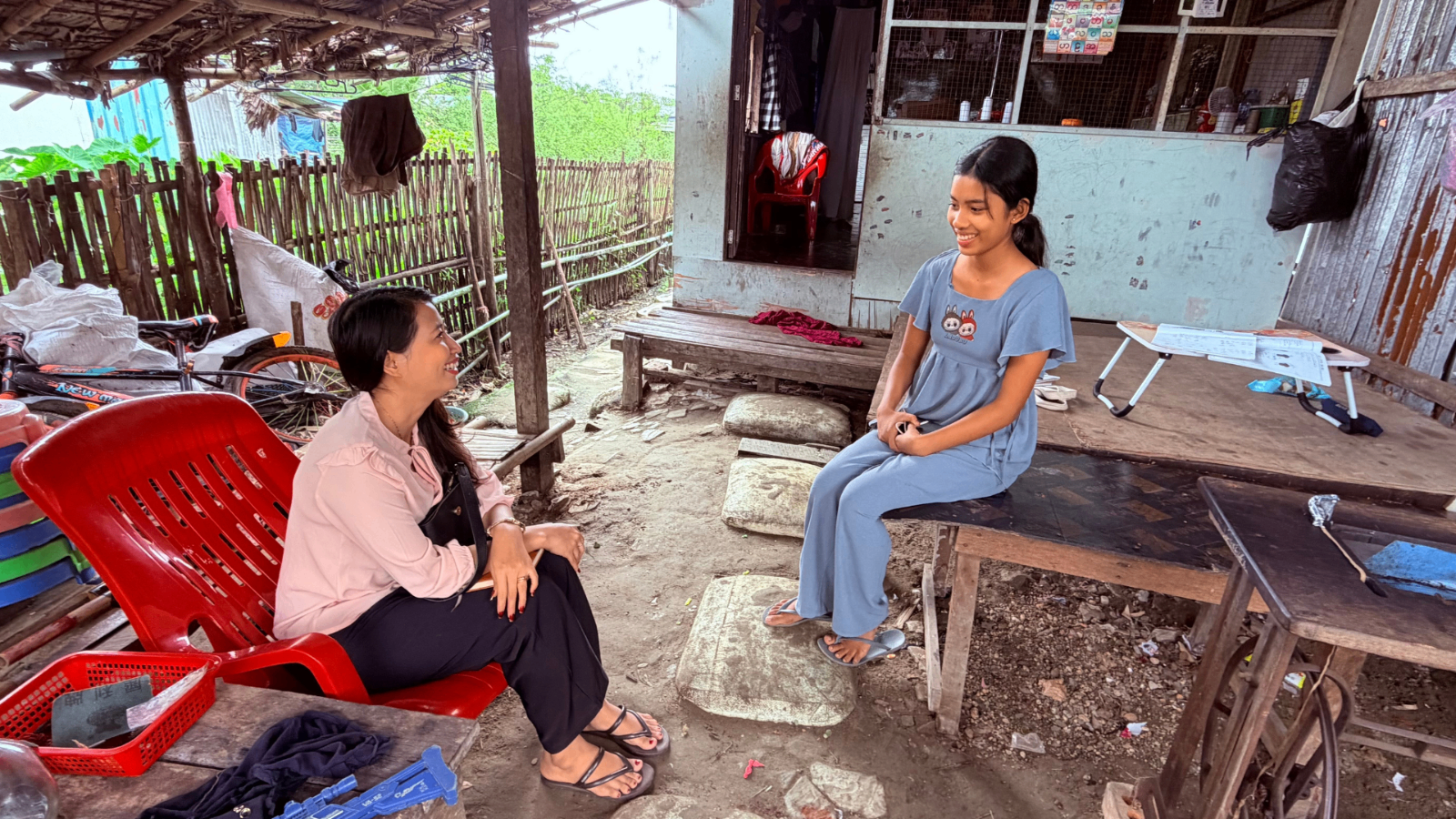
Rather than simply removing April from the workplace, The Centre worked with the client and supplier to implement a structured child labour remediation plan tailored to her needs. Over eight months, April received a health check, monthly living support, regular case management and vocational training through a Chinese language programme.
From child labour remediation to career development
April successfully completed all three levels of the Chinese language programme, improving her language skills and confidence. When she was ready to return to work in a role appropriate for a young worker, she moved into Quality Control (QC). She also began supporting communication between Chinese-speaking staff and local workers as an interpreter.

“Through this programme, I have been able to continue learning Chinese without any financial burden. This opportunity has been extremely valuable for my personal growth and future career development."

For April, remediation provided a pathway to further learning, skills development and future employment opportunities. For the client and its supplier, it offered a way to address an identified child labour risk while strengthening the systems needed to prevent similar cases.
Why preventing child labour requires stronger recruitment systems
April’s case revealed gaps that extended beyond one recruitment decision. The factory’s recruitment procedures, management knowledge and young worker safeguards were not consistently aligned.
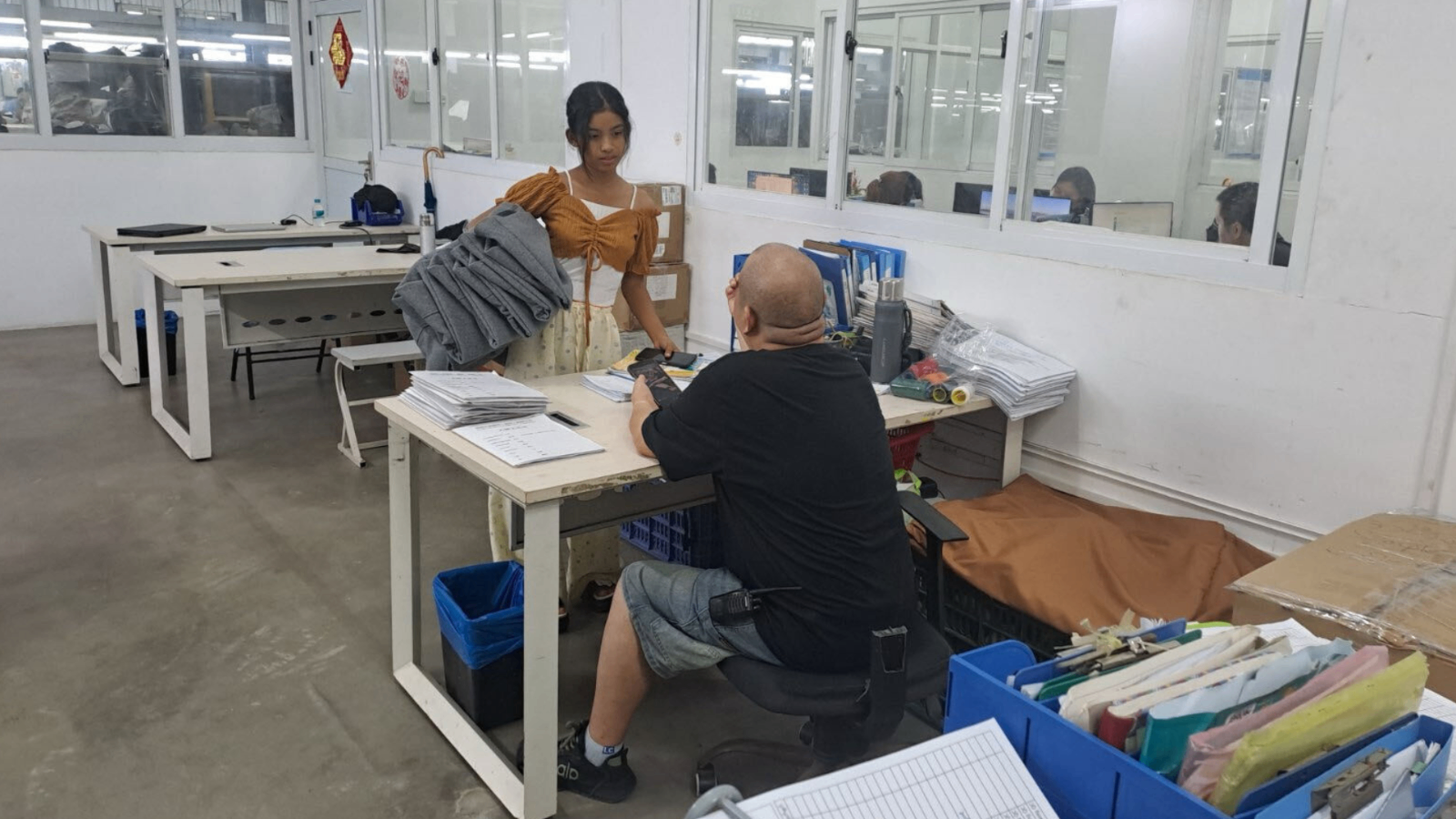
The HR manager was unfamiliar with the factory’s hazardous and non-hazardous job classifications and had received no specialised training on child labour prevention or young worker management. Although the recruitment procedures required staff to verify both identity documents and family registration documents, these checks were not consistently completed. The factory also lacked independent or second-level verification to catch errors, particularly during peak recruitment periods.
Strengthening child labour prevention and young worker management
Following the assessment, The Centre worked with the supplier to strengthen its child labour prevention and remediation (CLPR) systems and build staff capacity. Support included:
CLPR training for local management and Chinese-speaking staff to strengthen their understanding of child labour risks, prevention and remediation
Supervisor training on responsibilities for managing young workers, supported by a practical supervisor toolkit
Young worker training on workplace rights, skills development and healthy relationships with supervisors and colleagues
Follow-up monitoring to assess progress against the factory’s action plan and review improvements in young worker management
These measures addressed both the individual case and the workplace practices that had allowed the risk to arise, helping the supplier strengthen recruitment controls and build a more consistent approach to protecting young workers.
What businesses can learn from effective child labour remediation
April’s story demonstrates why child labour identification, reporting, remediation and prevention need to work together. Identifying a case is only the first step. Businesses need effective human rights due diligence (HRDD) systems that help workers and managers recognise risks early, report concerns confidently and respond in ways that address both the young person’s needs and the underlying causes.
For brands, retailers and garment manufacturers, effective child labour remediation can protect children’s rights while strengthening supplier management systems, reducing the likelihood of repeat cases and supporting the development of young workers who are legally eligible to work.
The business case is clear: effective child labour due diligence is not just about identifying risks. It is about building the capacity to respond responsibly, provide meaningful remediation and prevent similar cases in the future.
Partner with The Centre on child labour prevention and remediation
The Centre for Child Rights and Business is a leading expert in child labour prevention and remediation across global supply chains. We have directly handled more than 1,600 child labour cases, including in lower-tier supply chains and complex operating environments, helping businesses deliver meaningful remediation while strengthening supplier systems to prevent future cases.
For more information about The Centre’s child labour prevention and remediation services for global supply chains, please visit our CLPR service page



By using this website, you agree to our use of cookies. We use cookies to provide you with a great experience and to help our website run effectively.



